
WAKOUCHA - WATANABE san’s FIRST HARVEST SINGLE CULTIVAR KURITAWASE
Wakoucha Background Information:
Wakoucha is Japanese black tea, with ‘Wa’ meaning Japanese and ‘koucha’ meaning red tea – referring to the colour of the liquid after brewing which is a warm red tone. Japan first started production in the Meiji era with the help of a Chinese tea specialist, when the government saw that a lot of Europeans and Americans were drinking black tea rather than green tea. The effort was unsuccessful, but in 1876 Tada Motokichi went to India to learn more about Darjeeling and Assam production, gaining insights on production methods and machinery, taking some seeds back to Japan. Those seeds gave birth to some wakoucha cultivars (such as Benihomare). Currently there are only about 300 farmers producing Japanese black tea.
Notes For This Particular Tea:
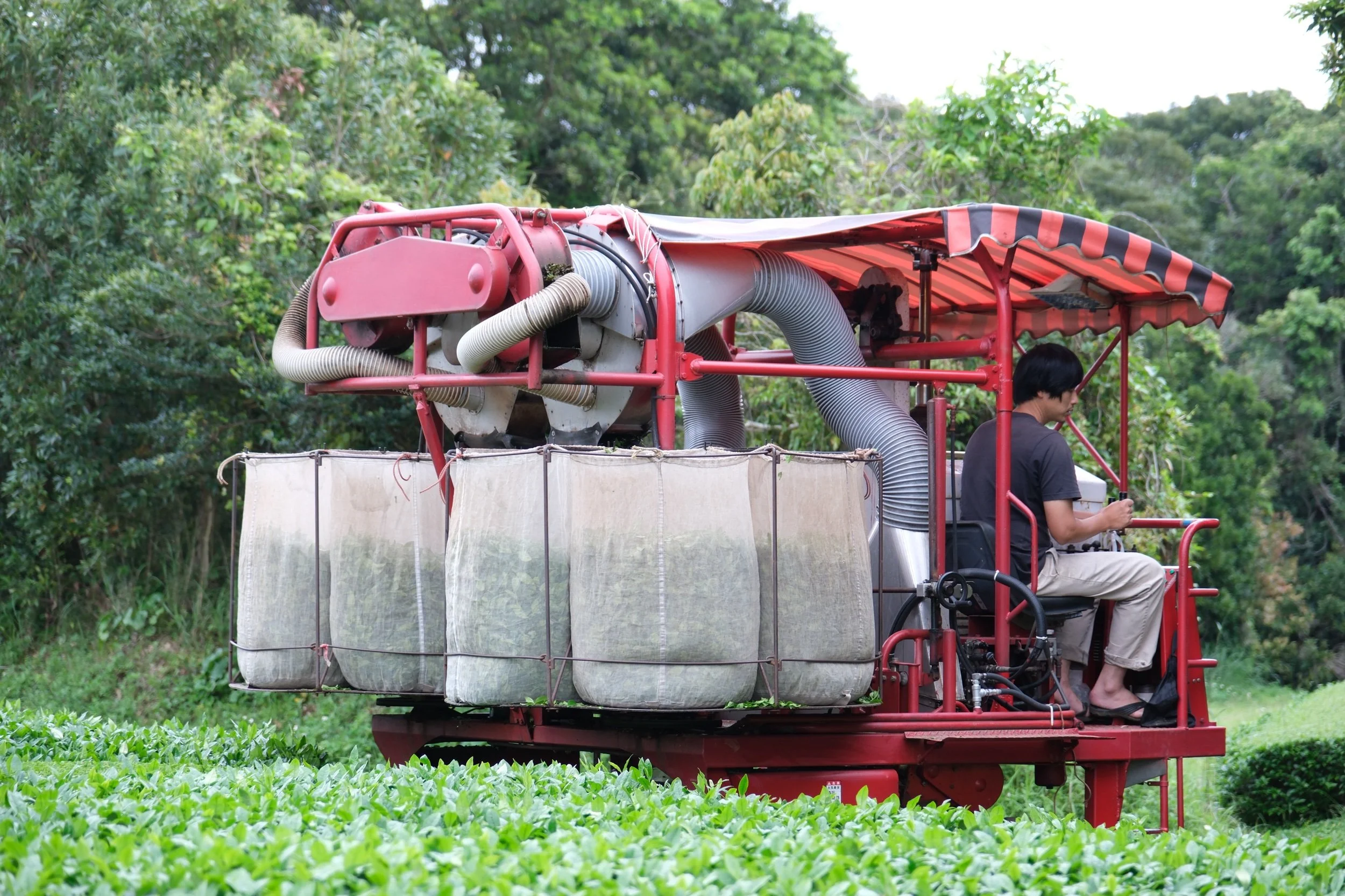
Grown organically by Watanabe san in Yakushima, this wakoucha is made from a rare single cultivar called Kuritawase, which is an early budding cultivar that is naturally low in astringency, but weak against cold weather and doesn’t produce a particularly high yield. Only first harvest tea is used which is rare for oxidised tea as the amino acids, highest by far in first harvest tea, are changed during oxidation. Nevertheless, in our experience, oxidised tea and roasted teas made from first harvest tea materials have a more elegant, sweet, and smooth flavour.
The first tea harvests in Japan begin on the two small neighbouring islands of Yakushima and Tanegashima (expect for any tea in Okinawa), though Tanegashima is more widely known for its early spring release of Kuritawase shincha.
About the tea farmer:
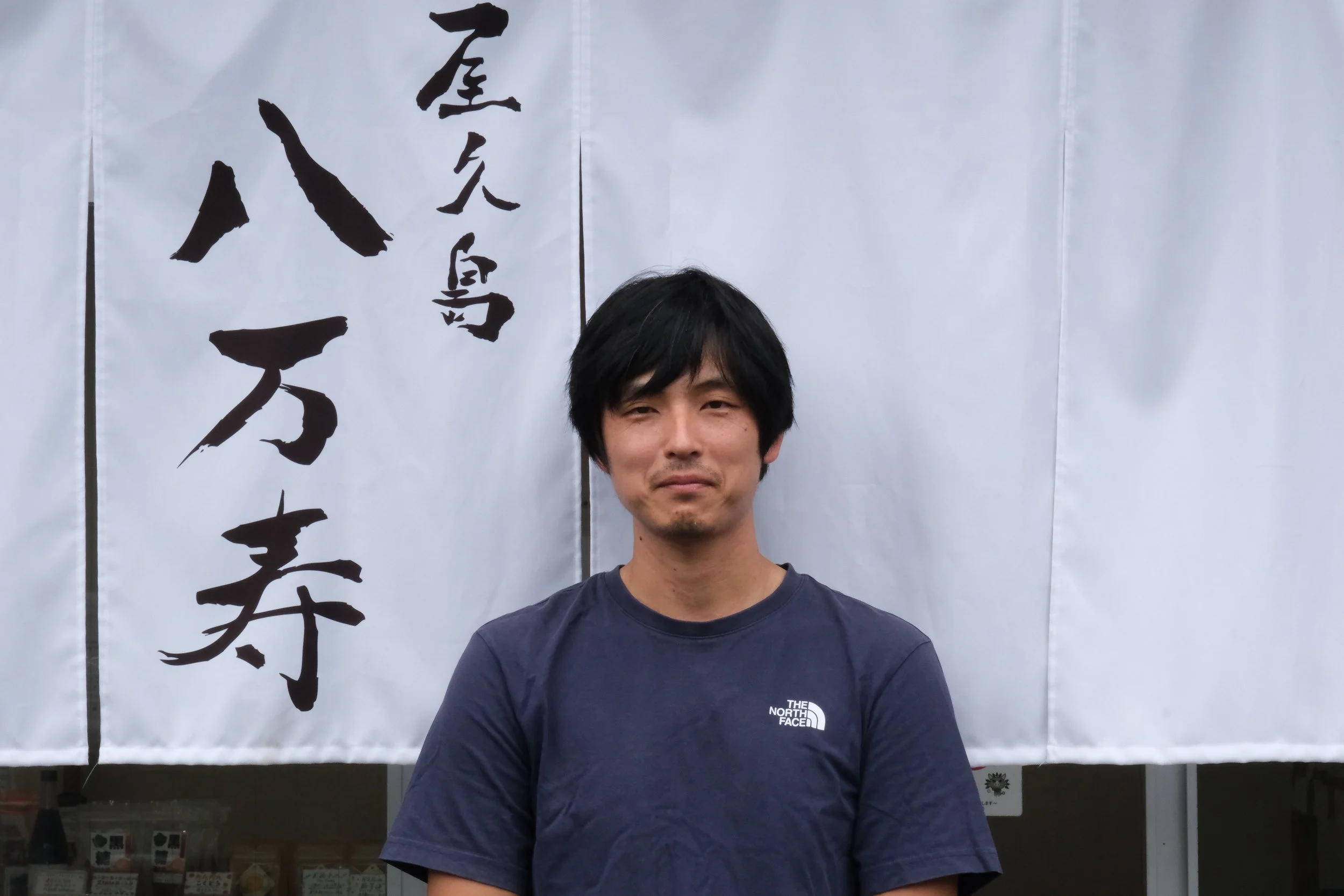
Watanabe san is a second generation tea farmer who is passionate about growing tea organically and was eager to tell us about Yakushima’s natural geographical advantages. The natural tempature gradients from the cool foggy mornings, hot days, and cold nights are great for allowing the tea to grow little by little each day, and since Yakushima is formed around many mountains, lots of rainwater flows naturally through the tea fields. Watanabe san’s farm is located at the foot of Mount Aiko, on the east of the island. There is a beautiful morning fog visible, and Watanabe san emphasises that you can hear the insects and birds and feel the biodiversity, as well as the cycle of nature. If you ever have the opportunity to visit Yakushime please take it!




Hot brewing guide:
Wakoucha 3 grams
Water 150
First infusion 75°C for 90sec
Second infusion 80°C for 45sec
Third infusion 85°C for 90sec
To pour over ice (kyuurei):
Wakoucha 4 grams
Water 120ml
One infusion only 80°C for 120sec
Pour over lots of ice and serve immediately. Alternatively, our personal favourite is to pour over just a few ice cubes (~100g) and enjoy when cold but not ice cold (or wait for it to warm up closer to room temperature).
Storage:
Store at room temperature in a cool dry place, and avoid exposure to sunlight and air - both of these will degrade your tea. Houjicha is usually best consumed within 6-9 months from when it is first opened, as it is not particularly sensitive to oxygen unlike sencha or matcha. Ideally we recommend for thsi tea be consumed within 8 weeks of being opened, but this is a dark roasted houjicha and not as strict of a limit compared to steamed teas.