
Baisen Oolongcha by Yamaguchi san
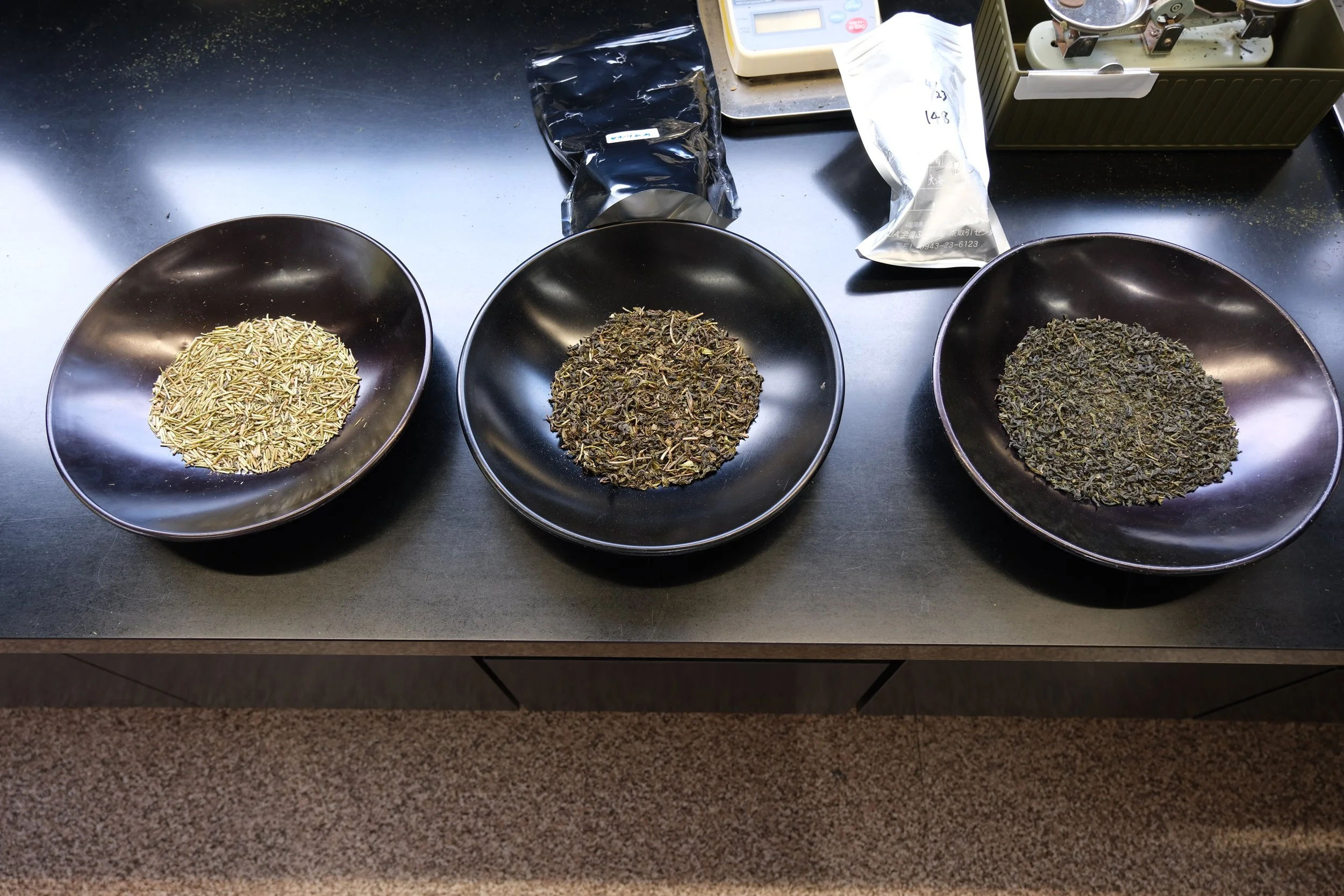
Houjicha Background Information:
Houjicha means roasted tea. Baisen also indicates roasting. Although its colour is brown due to the roasting process, houjicha is still a Japanese green tea as it is not oxidised or fermented. It is low in caffeine due to the roasting process, meaning it is ideal to drink at any time of the day and by people of any age, and houjicha is said to be especially good for our bodies during the cold winter season too. There are two main types of houjicha - one contains mainly leaves with little to no stems, whereas the other contains a much higher proportion of stems (sometimes known as kukicha or kuki houjicha). Kuki houjicha tends to be lighter in flavour but the high proportion of stems also contribute some sweetness to the flavour profile.
Oolongcha Background Information:
Oolongcha is a semi oxidised tea, which falls roughly in between non oxidised green teas like sencha, and oxidised black teas like wakoucha. The gentle oxidisation allows for elegant and exciting floral flavours and aromas to develop.
Notes For This Particular Tea:
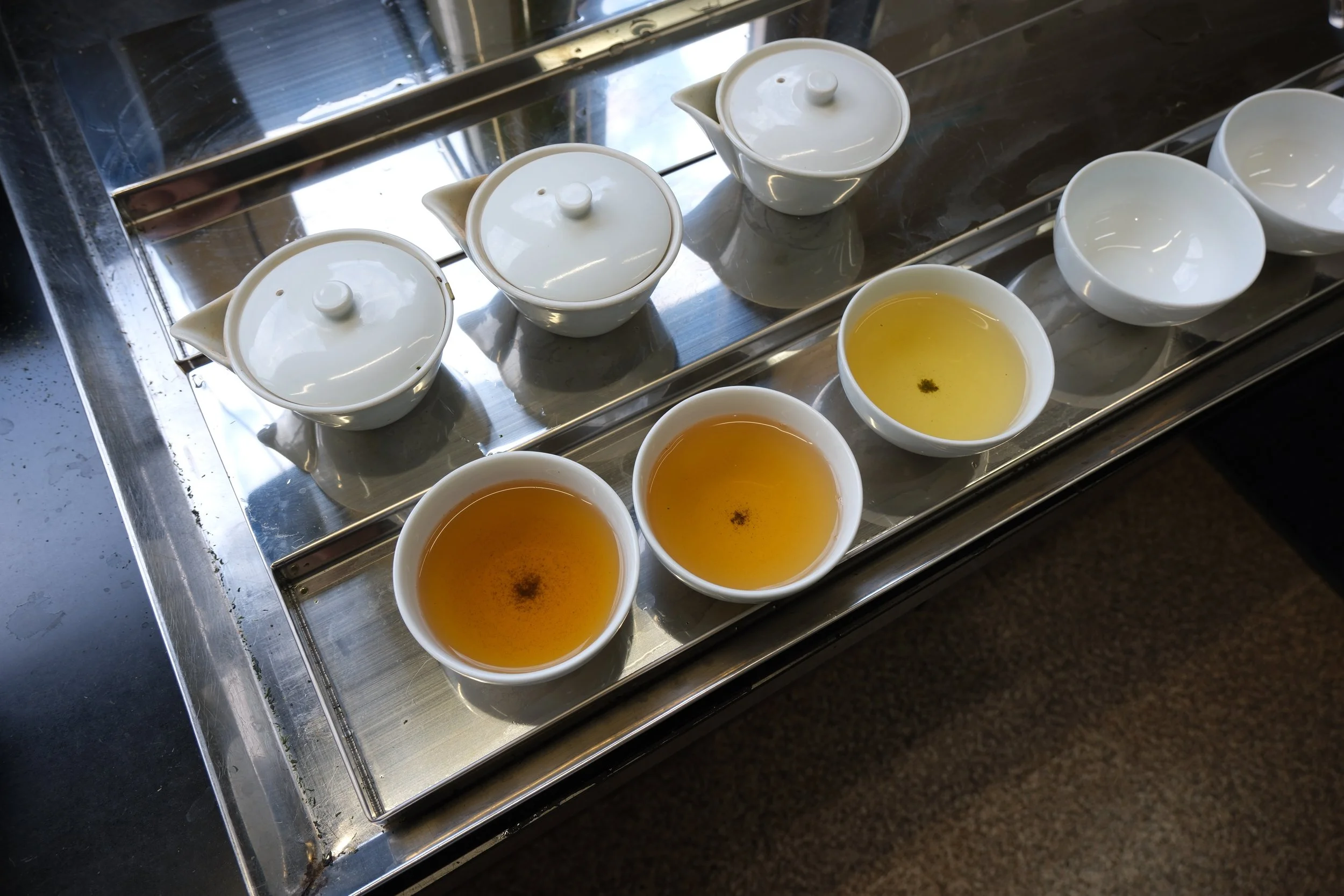
This baisen oolongcha has been roasted from oolongcha materials, and this combination of processing steps is extremely rare. It is a creation of the producer Yamaguchi san who is based Hoshinomura in Fukuoka prefecture. He is one of only around 27 tenth grade tea masters in the whole of Japan, and he still holds the record for being the youngest to achieve the tenth and highest rank. We are proud to be able to work with him, and visit him each and every time we go to Japan. The cultivars used were Seishin Oolong, Sayamakaori, and Tsuyuhikari in the first year of release, but now Tsuyuhikari has been replaced by two cultivars - Izumi and Asahi. The Asahi is from the tea field of a now retired tea farmer who had no one to take over his land, and so Yamaguchi san decided to take over it. Asahi is a demanding cultivar to grow for steamed tea, so Yamaguchi san decided to process the tea as oolongcha and include it in the new baisen oolong recipe. He said that it is probably one of it not the only oolong asahi in existence! Yamaguchi san’s concept for this tea was to create a tea that was both familiar and unfamiliar to a Japanese palate, and one that pairs well with food. The balance between the roasted flavours and the lightly oxidised flavours is so delicate, and to achieve such a delicious balance demonstrates Yamaguchi san’s expert palate and mastery of flavour blending.
We were lucky enough to taste this tea during the testing stages before it was officially released in 2024, as well as the new cultivar recipe in 2025. Thank you Yamaguchi san! The photos on this page are from our visit in November 2023 when Yamaguchi san was still experimenting and prepared this tea (in it’s early stages of development) for us to try!
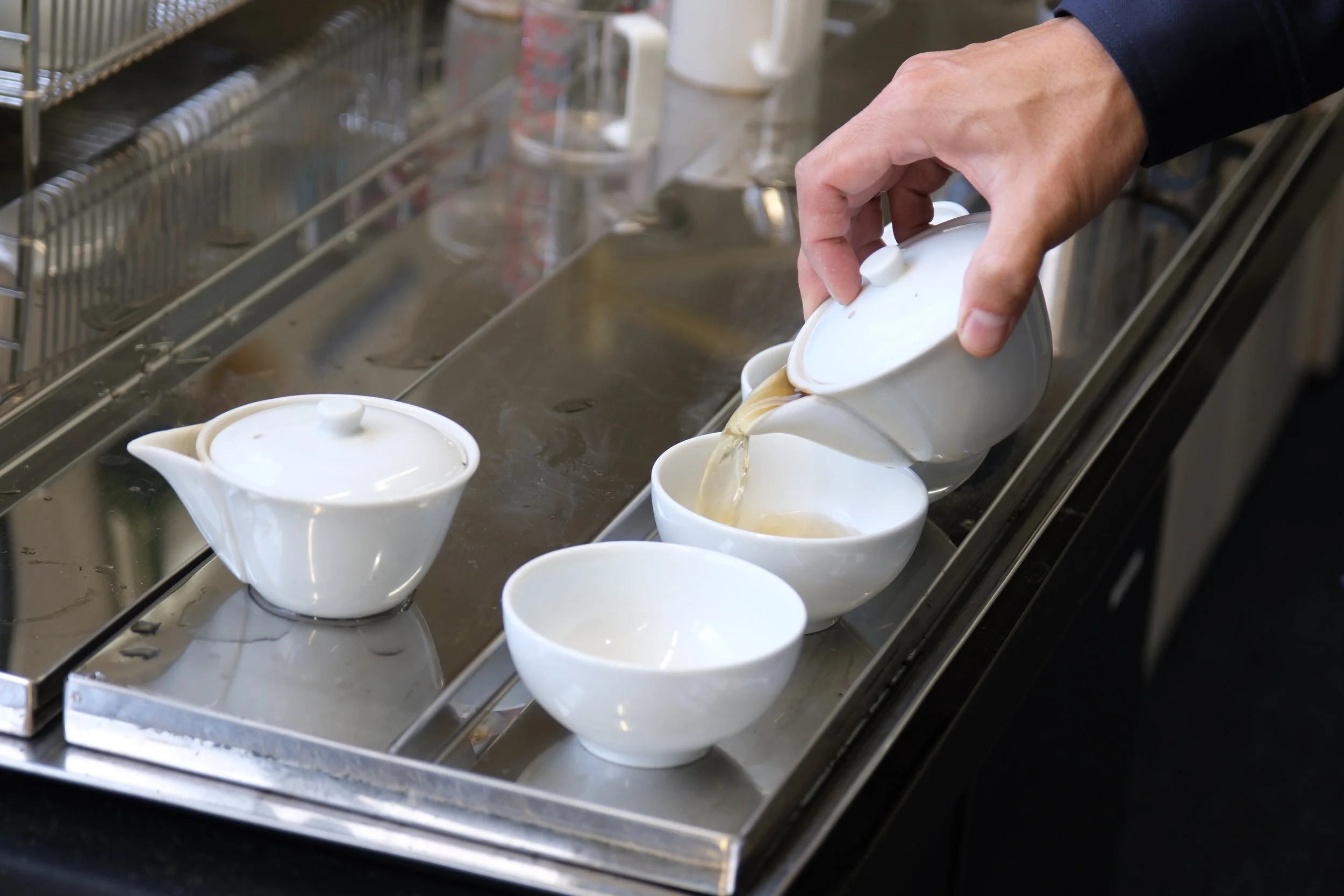
Please experiment when brewing this tea to find your personal preference. A good starting point is listed below.
Hot brewing guide with water:
Baisen Oolongcha 3-5 grams
Water 120ml
First infusion 85°C for 90sec
Second infusion 85°C for 40sec
Third infusion 85°C for 40sec
To pour over ice (kyuurei):
Baisen Oolongcha 6 grams
Water 100ml
One infusion only 85°C for 90sec
Pour over lots of ice and serve immediately. Alternatively, our personal favourite is to pour over just a few ice cubes (~100g) and enjoy when chilled but not ice cold (or wait for it to warm up closer to room temperature).
Storage:
Store in the fridge or at room temperature in a cool dry place, and avoid exposure to sunlight and air - both of these will degrade your tea. Best consumed within 4-6 months from when it is first opened, but roasted teas and oxidised teas are not as sensitive as sencha or matcha so this is not a strict time limit.