
SENcha - KAWAJI SAN’S Organic SINGLE CULTIVARS

Find Asatsuyu and Yabukita for sale on our online shop page (soon)!
Steamed Tea Background Information:
Steamed teas like sencha are one of the most traditional types of Japanese green tea. There are three main types of sencha; asamushi (light steamed, ~15seconds), chuumushi (medium steamed, ~15-45seconds), fukamushi (deep steamed, ~45+seconds). Lighter steamed teas tend to produce a golden yellow colour. Deep steamed teas however can produce vivid green colours usually with a thicker texture, and due to the longer steaming time the leaves are mostly broken and fragmented with many small particles, meaning we consume more nutrients (and caffeine!). Asamushi sencha leaves are mostly intact, rolled into needle shapes which unfold more attractively as infusions progress. Shincha (meaning new tea) is tea that has been picked during the first harvest of the year – in spring. Later harvests have drastically lower amounts of amino acids (which give us umami and sweetness) and higher catechin levels (astringency and some bitterness). After harvest the tea is steamed straight away to halt oxidisation, and will then go on to be dried and rolled through various processes, finally being fired (hiire) to further dry the leaves to under 5% moisture, and impart the final taste. Some Japanese green teas are made from blends of different cultivars or regions, and some are single cultivar (similar to coffee/whisky). Blends are created by tea masters who taste many teas and then choose a selection to combine for a desired final taste that is easier to replicate year after year by adjusting the cultivar ratios. Single cultivar teas show the drinker how that year’s particular harvest was for that cultivar, as easy year can be quite different. This allows the drinker to build up a mental profile of that cultivar’s characteristics with time, bearing in mind there will also be large influences from the region/terroir and the specific farmer and producer’s growing and finishing methods.
Notes For Asatsuyu:
This tea is a first harvest, single cultivar Asatsuyu - one of the first ever registered Japanese tea cultivars known for a naturally rich and deep umami flavour, even if the tea is not shaded before harvest like kabusecha, tencha, or gyokuro. Nevertheless, the majority of single cultivar sencha farmers do shade their tea fields for a few days before harvest (in our experience), in order to achieve a higher level of amino acids, boosting the inherent sweetness and savoury profile of the tea. Grown by Kawaji san in Hioki, Kagoshima prefecture, we find this Asatsuyu to have a bold, full bodied flavour with a balancing bitterness running all the way through the bold umami. This is the type of flavour profile we think many tea farmers would appreciate - intensity of umami, sweetness, and bitterness dialed up without becoming sharp, harsh, or particularly astringent. We hope you can appreciate and enjoy this profile!
Notes For Yabukita:
This tea is a first harvest, single cultivar Yabukita - also one of the first ever registered Japanese tea cultivars, known for a balanced flavour profile that can provide good yields in a variety of terroirs. Yabukita has become the standard that other cultivars are compared to, especially when it comes to picking time - an ‘early’ tea would be one that is ready to be picked before Yabukita, and a ‘late’ tea would be one picked later than Yabukita. Grown by Kawaji san in Hioki, Kagoshima prefecture, we have yet to have the pleasure to taste this particular tea, but would expect a balance of sweetness, savouriness, bitterness, and astringency. Shaded for a few days before harvest, this boosts the amino acid content of the tea and gives more umami and sweetness, and usually less astringency and bitterness.
Kawaji Itaru
A second generation tea farmer based in Hioki, Kagoshima, Kawaji san has been growing tea organically for over 20 years. We have been serving his houjicha in the teahouse since the very first day of opening in July 2016, so we have a particular affinity and appreciation for his hard work. Kawaji san’s son has an interest in agriculture and is currently studying it, with the door open for him to join the family business whenever he is ready.

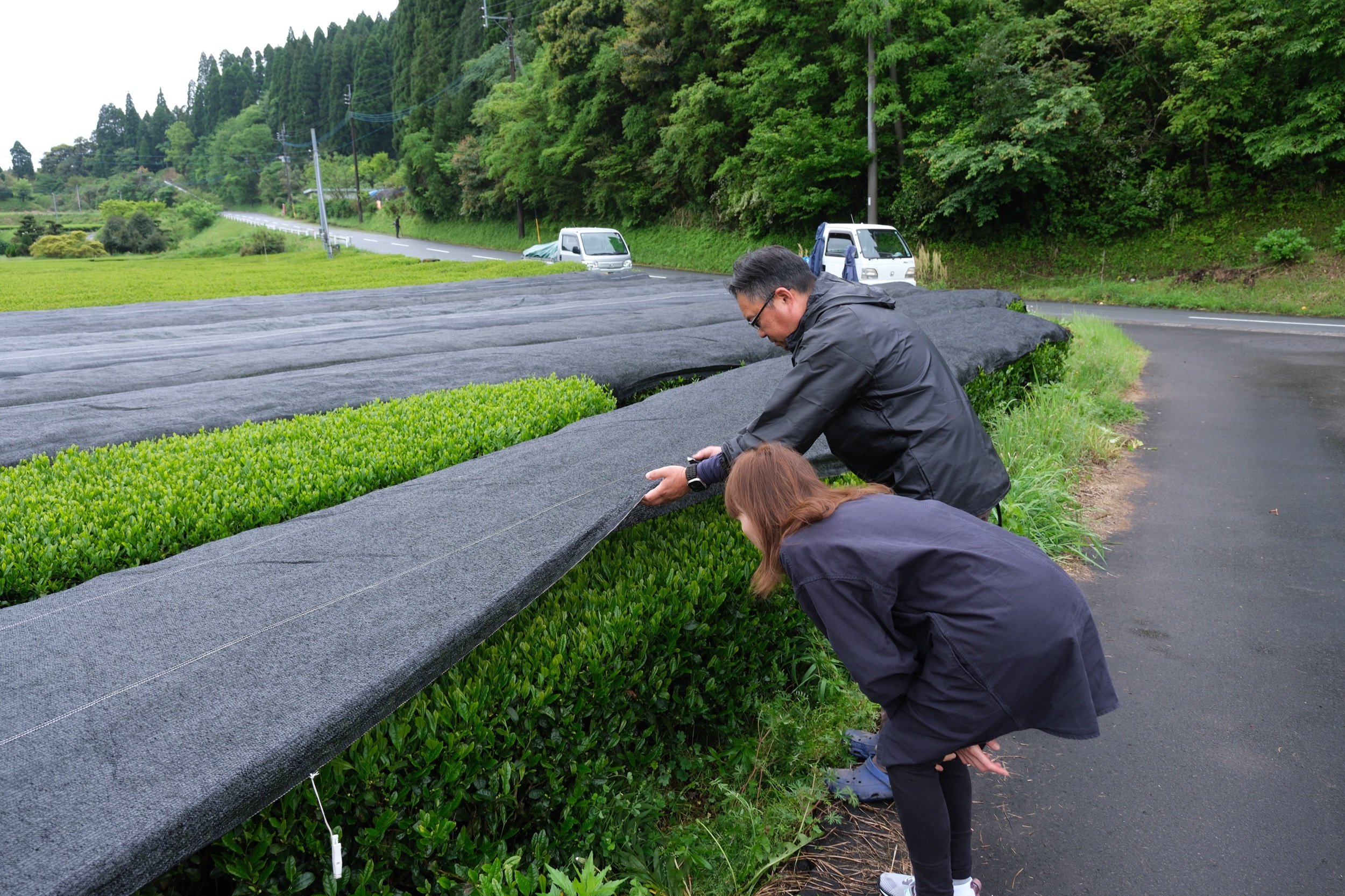

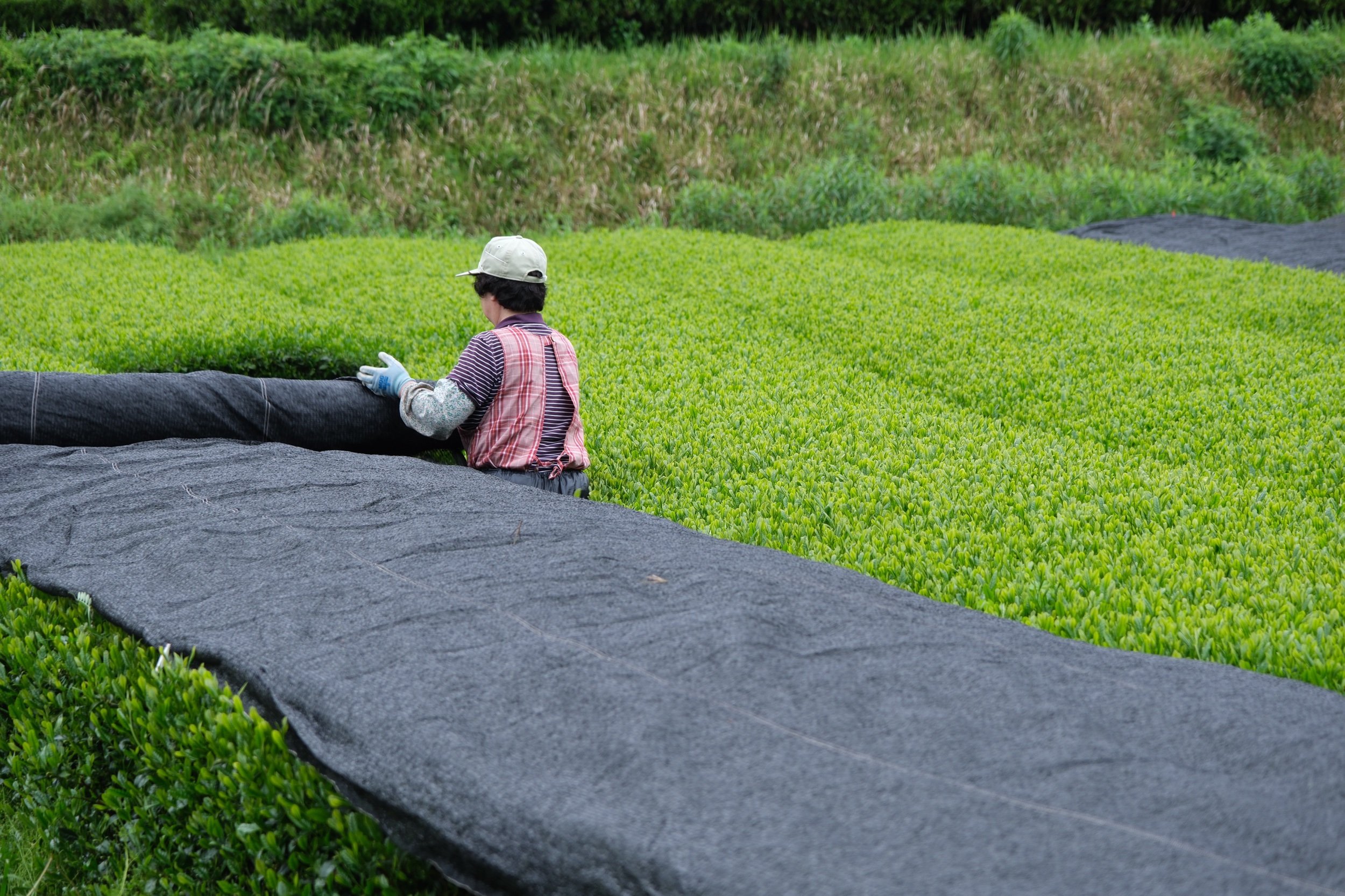

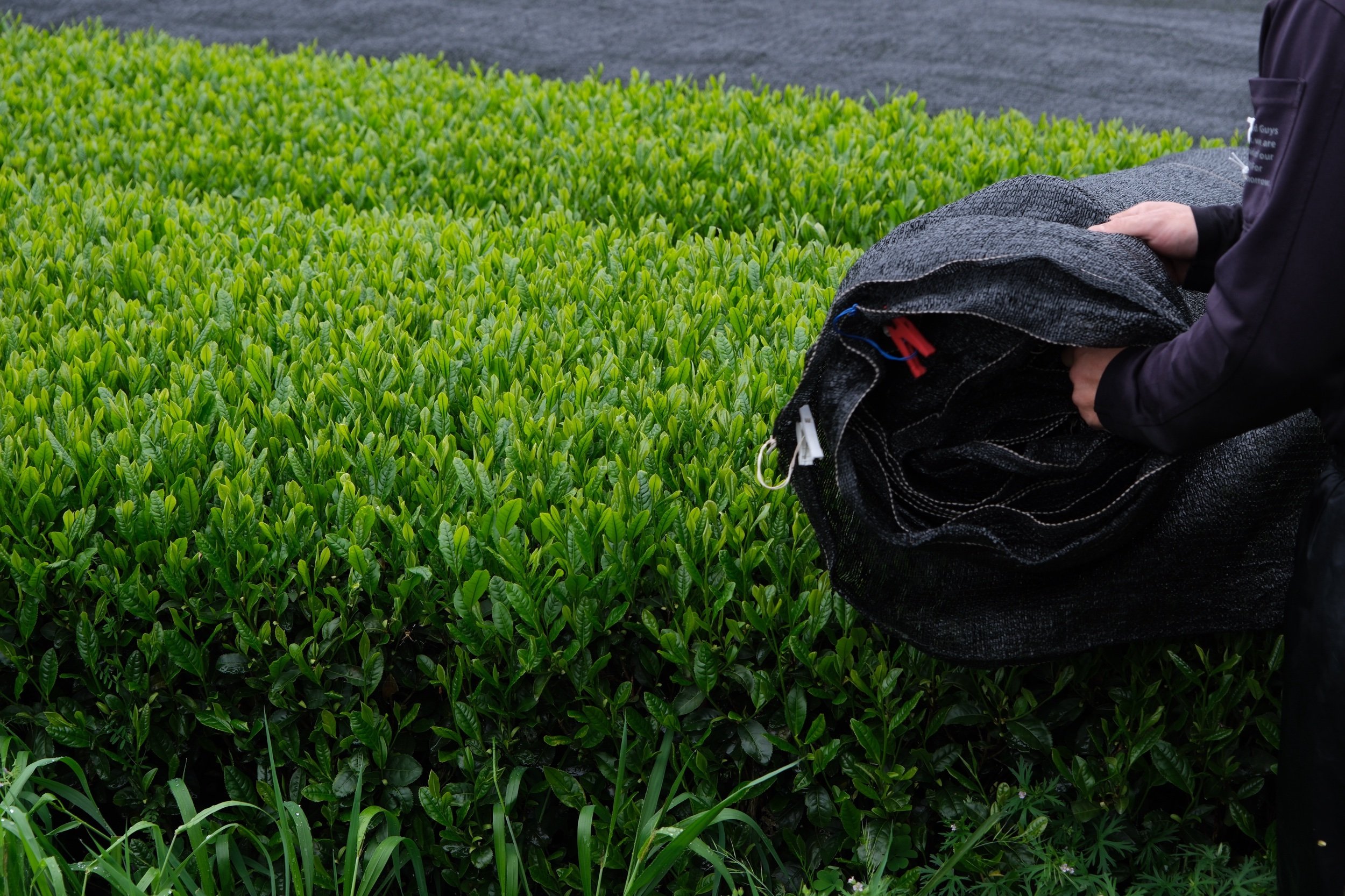
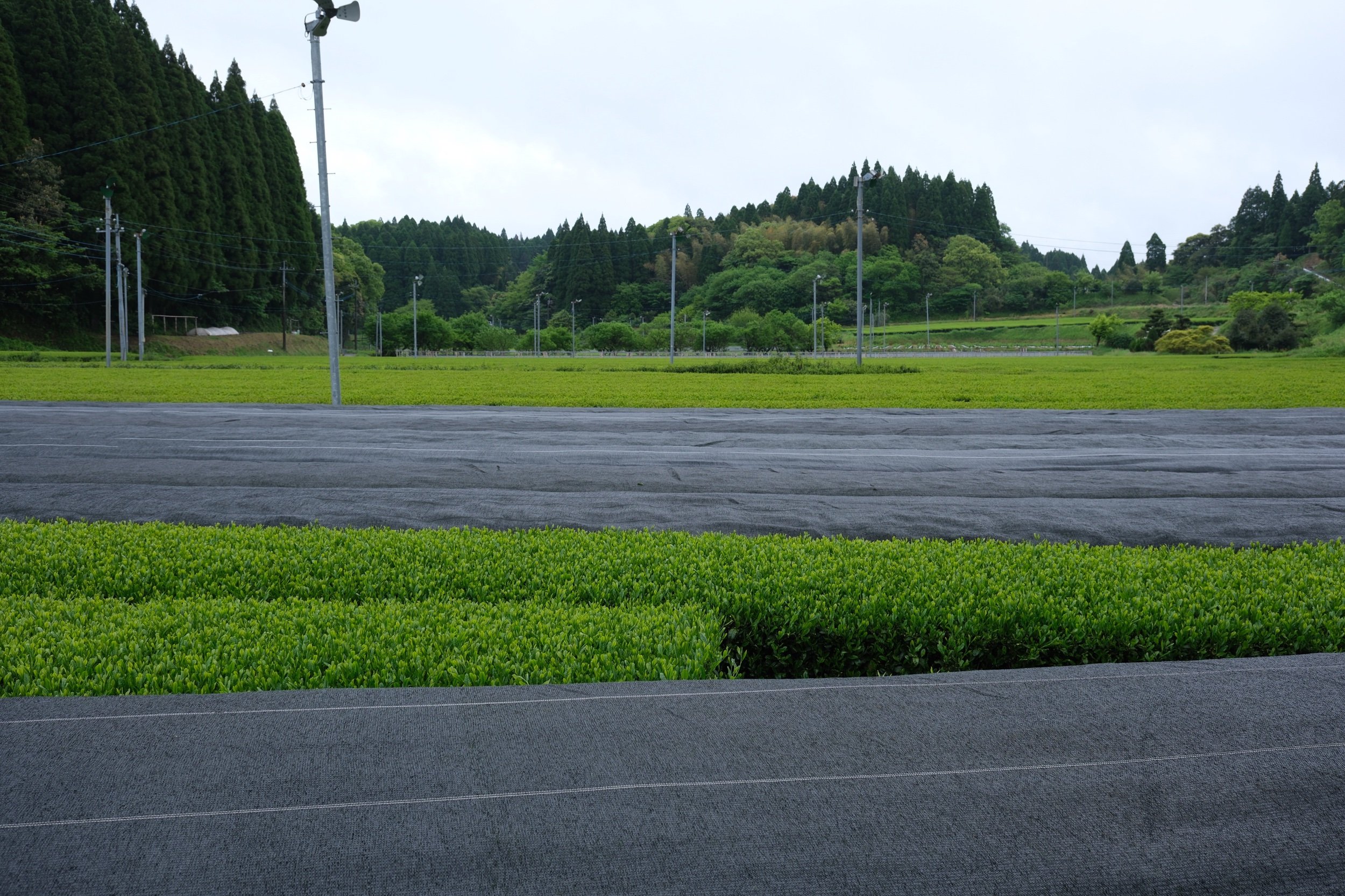


Sencha is a delicate tea and is sensitive to hot water temperatures – because of this please remember to cool the water down at least for the first infusion, if you wish to enjoy the umami flavour with fewer distractions and less astringency and bitterness. In order to enjoy the whole variety of tasting notes present (umami, amami-sweetness, shibumi-astringency and nigami-bitterness), we recommend controlling the water temperature according to the brewing guide below. Lower temperatures will bring out the umami and sweetness and with higher temperatures being introduced, the bitterness and astringency will become more pronounced depending on what each particular tea has to offer. In addition to the tasting profile changing in each infusion, you will also witness the bright green liquid colour darken.
Please experiment with brewing to find your personal preference. A good starting point is listed below.
Hot brewing guide:
Sencha 4 grams (~1 teaspoon)
Water 70ml
First infusion 65°C for 45sec
Second infusion 75°C for 20sec
Third infusion 85°C for 5sec
Cold brewing guide:
Sencha 12 grams
Water 800ml for 6-12 hours
Spring or filtered water is recommended (specifically we look for a TDS of 30-80 - if you’re in the north of england tap water should be fine, and if you’re in the south you are probably familiar with water filters already). Simply pour the tea leaves on water and keep in the fridge overnight, or for 6-12 hours. Avoid vigorous handling/shaking. We use an ice and water mixture so that the brewing temperature is around 6 degrees celcius from start to finish, but forgoing the ice is absolutely okay. The duration of the brew can be experimented with to find your personal preference and when you are happy with the flavour, strain and dispose of the leaves. Consume within 24 hours.
Storage:
Store in a cold environment (6-10°C) and avoid exposure to sunlight and air - both of these will degrade your tea. Best consumed within 1-2 months from when it is first opened.