
Wakoucha - Kourogi san's Hassaku Flower Blend
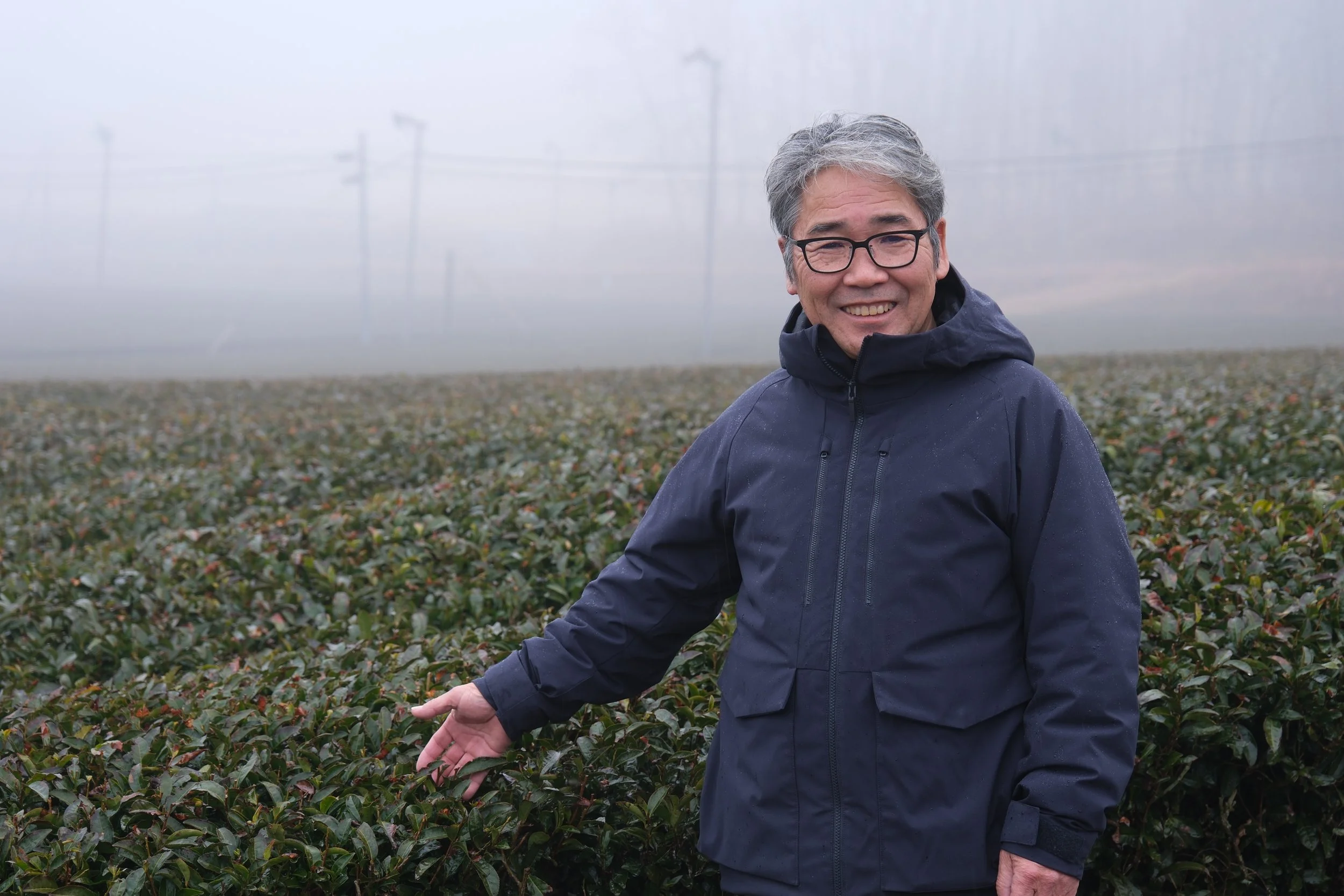
Kourogi san Background Information:
Kyushu is a region famous for kamairicha production, especially Miyazaki prefecture where Kourogi san is based. He is an incredibly well respected tea farmer and producer who has specialised in organic growing for over 20 years, and is a household name associated with pan fried tea for those in the industry! Before training people to use machinery to pan fry tea, he always teaches them to do it by hand first, to fully understand the process. Kourogi san is also is contracted to grow tea in Hokkaido - the most northern part of Japan - which must be very difficult due to the cold climate! Miyazaki is extremely mountainous and Kourogi san’s farm is at around 600m above sea level and 32.5 degrees latitude, with dense low level fog in the daytime. It makes sense that the cultivars chosen by Kourogi san are mainly those with strong cold resistance, since his farm is at a high altitude.
Wakoucha background information:
Wakoucha is Japanese black tea, with ‘Wa’ meaning Japanese and ‘koucha’ meaning red tea – referring to the colour of the liquid after brewing which is a warm red tone. Japan first started production in the Meiji era with the help of a Chinese tea specialist, when the government saw that a lot of Europeans and Americans were drinking black tea rather than green tea. The effort was unsuccessful, but in 1876 Tada Motokichi went to India to learn more about Darjeeling and Assam production, gaining insights on production methods and machinery, taking some seeds back to Japan. Those seeds gave birth to some wakoucha cultivars (such as Benihomare, one of the parents of Benifuuki). Currently there are only about 300 farmers producing Japanese black tea.
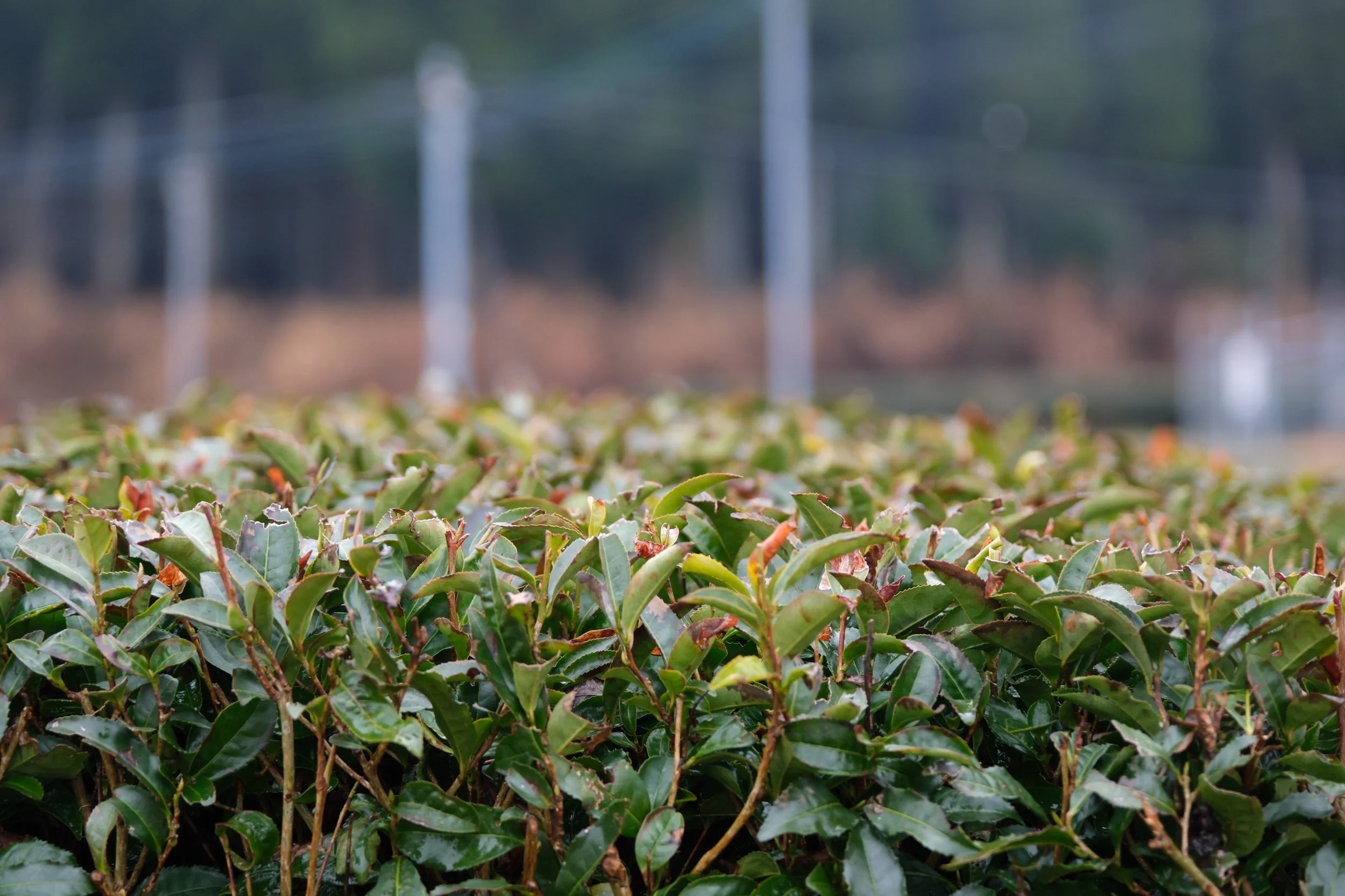
Kourogi san blends his wakoucha with hand picked hassaku flowers. Hassaku is a Japanese citrus fruit. Overall, you may notice an overall floral wakoucha taste profile, with a hint of citrus in the aftertaste. This is an incredibly rare tea, so please savour it!




Hot brewing guide:
Wakoucha 3 grams
Water 120ml
First infusion 78°C for 90sec
Second infusion 85°C for 45sec
Third infusion 85°C for 120sec
Cold brewing guide:
Kamairicha 3 grams
Water 300ml @ 5-20°C for 10-14 hours
Spring or filtered water is recommended (specifically we look for a TDS of 30-80 - if you’re in the north of england tap water should be fine, and if you’re in the south you may be familiar with water filters and softeners already). Simply pour the tea leaves on water and keep in the fridge overnight, or for 6-12 hours. Avoid vigorous handling/shaking. The duration of the brew can be experimented with to find your personal preference and when you are happy with the flavour, strain and dispose of the leaves. Consume within 24 hours.
Storage:
Store in the fridge or at room temperature in a cool dry place, and avoid exposure to sunlight and air - both of these will degrade your tea. Best consumed within 1 year from when it is first opened (keep in airtight packaging with the least amount of air possible for best storage), but fully oxidised black teas are not sensitive to oxidisation unlike steamed tea like sencha or especially matcha, so this is not a strict time limit. It may be possible to store black tea for many years without much degradation, but we can’t speak to how the flavour of the hassaku flowers may change with time.